
The quality of your horse arena footing directly affects horse movement, comfort, and injury prevention. A properly layered arena with consistent footing depth, effective drainage, and routine maintenance provides better traction, balanced cushioning, and dependable performance. Choosing the right horse arena footing material and maintaining it regularly helps create a safer riding environment for horses across every discipline.
Key Takeaways
- Proper arena footing helps support horse movement, traction, cushioning, and stability.
- Most riding disciplines perform well with 3–6 inches of footing, depending on material and activity.
- Effective drainage and moisture control help maintain consistent footing conditions.
- A layered footing system can improve stability, impact absorption, and long-term performance.
- Regular dragging, moisture monitoring, depth checks, and inspections help maintain footing quality.
- Different disciplines and horses may require different levels of cushioning, stability, and resilience.
Every stride your horse takes in the arena starts with the ground beneath its hooves. In other words, horse arena footing isn't just a surface to ride on. It's a shock absorber, a traction system, and a stability partner all in one.
If you get it wrong, you're looking at strained tendons, sore joints, and shortened careers. But get it right, and you've built the foundation for soundness and performance that lasts for years.
Poor footing depth or a surface that's broken down over time places extra load on tendons, ligaments, and joints with every step. That's why your equestrian arena footing system deserves the same attention you'd give a conditioning program.
How Arena Footing Affects Horse Movement and Biomechanics
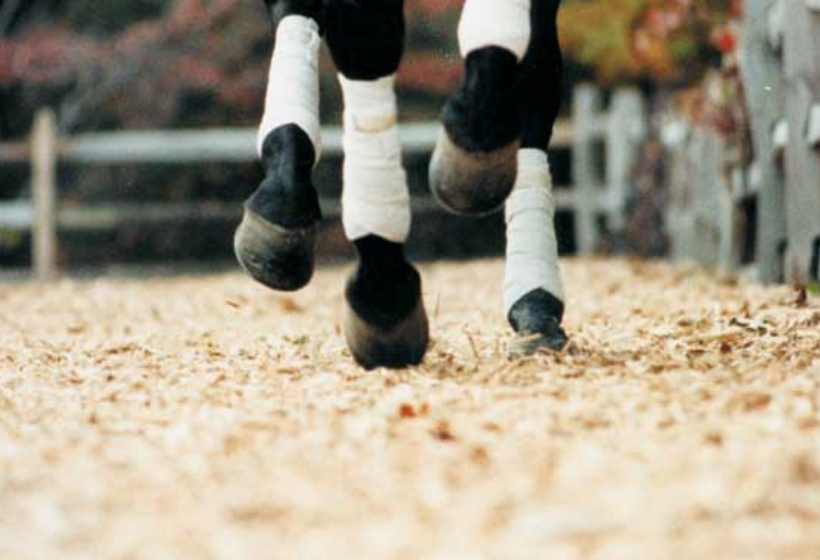
When a hoof strikes the ground, the surface underneath determines how that force travels through the limb. A properly designed equestrian arena footing helps distribute that force while supporting natural movement.
Impact Absorption
The surface of your equestrian arena footing should be firm enough to support the horse while providing enough cushion to reduce shock during every landing. This balance helps reduce repeated stress on your horse's joints, tendons, and ligaments during daily training.
Traction Without Excessive Grip
Good traction allows horses to push off and turn confidently without slipping. Too little grip increases the chance of sliding, while excessive grip can place extra stress on soft tissues during quick stops or tight turns.
Surface Consistency
Consistency is just as important as the horse arena footing material itself. Uneven depth or hard spots force horses to constantly adjust their stride, which can lead to fatigue and increase the risk of injury. Well-maintained riding arena footing provides a predictable surface across the entire area.
Key Footing Properties That Prevent Injury
Several characteristics determine whether arena footing for horses supports safe, consistent performance.
Proper Depth and Stability
Most riding disciplines perform well with footing depths between 3 and 6 inches, depending on the horse arena footing material and activity. If the footing becomes too shallow, it exposes the harder base beneath. On the other hand, excessive depth causes horses to work harder and places additional stress on tendons and joints.
Drainage and Moisture Control
Moisture has a major impact on surface quality. Waterlogged footing becomes unstable and slippery, while dry footing can become dusty and overly firm. Effective drainage and moisture management help maintain consistent riding conditions throughout the year.
Cushion and Resilience
The ideal surface provides enough give to absorb impact without allowing the horse to sink excessively. Balanced cushioning supports comfortable movement while maintaining stability during training and competition.
Common Footing Materials
Different horse arena footing materials provide different benefits. The most common ones are:
- Sand: Affordable and widely used but requires careful maintenance.
- Sand-fiber blends: Improve stability and reduce shifting.
- Rubber-enhanced mixes: Increase cushioning and shock absorption.
- Engineered wood fiber: Provides resilience, drainage support, and a comfortable riding surface when properly maintained.
Quick Answer: The right horse arena footing balances cushioning, traction, stability, and moisture control. A properly maintained 3-6 inch footing depth can help support consistent movement and reduce unnecessary strain.
Arena Footing Materials and Layering Strategy
Your horse arena footing works best when built with multiple layers rather than relying on a single material. Typically, this includes:
Base Layer
The foundation typically consists of compacted stone or stone dust. This layer provides stability, promotes drainage, and prevents footing from mixing with the native soil.
Cushion Layer
The middle layer often contains sand-fiber blends, recycled rubber, or engineered wood fiber. This layer absorbs impact while helping maintain consistent footing across the arena.
Top Riding Surface
The riding surface directly affects traction, dust control, resilience, and maintenance requirements. Choosing the right horse arena footing material depends on your riding discipline, climate, and maintenance routine.
With a layered horse arena footing, you can prevent shifting, compaction, and uneven wear, providing longer-lasting performance than single-material arenas. That's what arena footing solutions from Fibar provide.
In short: Arena footing isn't just about the top surface. Proper layering, drainage, moisture management, and regular maintenance all contribute to consistent riding conditions.
Maintenance Practices That Preserve Footing Performance
Even the best footing performs poorly without regular care. Consistent horse arena footing maintenance helps extend the life of your arena while supporting safer riding conditions.
Drag the Surface Regularly
Dragging redistributes footing, removes ruts, and maintains consistent depth throughout the arena.
Monitor Moisture Levels
Watering during dry periods and checking drainage after rain helps maintain the balance between excessive dust and overly wet conditions.
Check Footing Depth
Over time, materials settle or migrate. Measuring depth periodically helps identify areas that need additional material before harder layers become exposed.
Watch for Signs of Wear
Facility managers should inspect arenas for:
- Excessive dust
- Hard spots
- Standing water
- Deep ruts
- Loose or uneven footing
Addressing these issues early helps maintain a safer riding environment.
Maintenance Tip: Drag high-use arenas several times a week to redistribute footing, reduce ruts, and maintain more consistent surface depth.
Footing Considerations for Different Disciplines and Training Levels
Different riding activities place different demands on arena surfaces.
High-impact disciplines such as jumping, barrel racing, and many Western performance events benefit from greater cushioning to absorb repeated landing forces.
Dressage, flatwork, and beginner lessons still require consistent footing and dependable drainage, although they may perform well with different material blends.
Young horses, horses returning from injury, and senior horses often benefit from surfaces with slightly more forgiveness while maintaining adequate stability.
A thoughtfully designed arena can support multiple disciplines when the footing system is built and maintained correctly.
Good Point: Different horses and disciplines have different footing needs. Jumping and high-impact activities may benefit from greater cushioning, while dressage and flatwork prioritize consistency and stability.
Frequently Asked Questions About Horse Arena Footing
What is the ideal depth for horse arena footing?
Most arenas perform well with footing depths between 3 and 6 inches, although the ideal depth depends on the riding discipline, footing material, and arena design.
How often should I drag and maintain my arena?
High-use arenas may require dragging several times each week. Regular inspections, moisture management, and periodic material replacement help maintain consistent riding conditions.
What's the difference between sand, sand-fiber, and engineered footing materials?
Sand provides a basic riding surface but may shift over time. Sand-fiber blends improve stability, while engineered wood fiber offers additional resilience, cushioning, and drainage support when installed correctly.
How does poor footing cause horse injuries?
Uneven, compacted, or unstable footing changes how horses move. Repeated compensation increases stress on joints, tendons, ligaments, and muscles, raising the risk of injury.
Should arena footing be wet or dry?
Neither extreme is ideal. Slightly moist footing generally provides better consistency, while overly dry surfaces create dust and overly wet surfaces become slippery and unstable.
Build a Better Foundation for Your Horses
Quality horse arena footing supports every ride by promoting consistent movement and reducing unnecessary strain on your horse's body. The right combination of materials, proper layering, drainage, and ongoing maintenance creates a surface that performs reliably throughout the year.
Whether your arena serves competitive riders, lesson programs, or recreational use, investing in a well-designed horse arena footing system makes sense. If you're planning a new arena or upgrading an existing one, look no further than Fibar. We offer engineered equestrian arena footing systems designed for durability, performance, and rider safety.
Contact us today to discuss your requirements and get a quote.