

Fibar Equestrian Footing
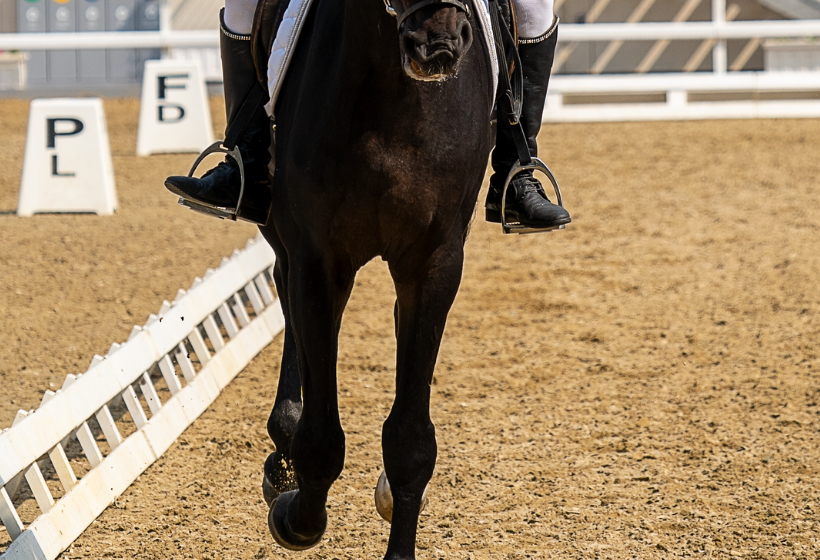
All-Weather Horse Arena Footing: No Mud, Dust, or Ice
The name Fibar stands for something special: selected wood fibers that have been scientifically engineered and manufactured to provide a soft, dust-free footing that horse people can count on in all kinds of weather.
What matters to these experts are results. Rain or shine, wind, sleet or snow, a Fibar surface means no rocks, no puddles, no ice, no dust and no slop. A footing by any other name would not stay so sweet.
Product Uses Best Places to Install Our Horse Arena Footing
Fibar horse arena footing is made from engineered wood fibers that knit together into a soft, resilient, low-dust surface. It drains well, holds up under heavy use, and needs little maintenance, so it works almost anywhere horses train, ride, or breed. Here's where our equestrian footing performs best, and why owners and trainers choose it for each space.
Indoor Arenas
Poor footing is a sore point with most horses. Working a horse on sub-optimal riding surface can hurt more than his performance. It can also do irreparable damage to his legs, feet or attitude. Fibar is engineered to provide resilient, rock-free footing that stays useful under all weather conditions.
Outdoor Arenas
Fibar's unsurpassed reliability has made our footing the choice for performance-oriented owners and trainers who depend on it to keep their training tracks, riding rings, shed rows, gallops, hot walkers and breeding sheds in full-time operation.
Breeding Sheds
Chosen by many of the finest breeding sheds in Kentucky horse country, Fibar knits together to make a safe surface with little kickback. It holds up under lots of activity and stays low in dust. Unlike gravel, it will not fly up and hit the horses or their handlers. And, unlike dirt or sawdust, Fibar requires only minimal upkeep. Occasional light misting will keep it dust free.
Tracks and Gallops
Racehorses may have fewer and less severe injuries when they train on Fibar. And trainers prefer Fibar too. They know training doesn’t stop on wet days. If you work your horses on Fibar, your training program will go on rain or shine, wind, sleet or snow. A Fibar riding surface is resilient and useful in all kinds of weather.
Learn more about How Horse Arena Footing Affects Performance & Injury.
Whether you're building a new riding ring or upgrading a breeding shed, Fibar gives your horses consistent, reliable footing in every season. Download our installation guides below to see what each application requires, or request a quote and our team will help you plan the right footing for your facility.
Product Documentation
Learn more about installation, maintenance, and other product information below.
Indoor Installation
Click below to download our indoor installation document
Outdoor Installation
Click below to download our outdoor installation document
Breeding Shed Installation
Click below to download our breeding shed installation document!
Track & Gallop Installation
Click below to download our track and gallop installation document
Maintenance Information
Click below to download maintenance information
FAQs
Click below to download FAQs.
Frequently Asked Questions
What exactly is Fibar?
Fibar is a unique blend of processed wood fibers. The wood fibers knit together forming a firm and stable surface yet providing great cushioning properties. Fibar is not wood chips and contains virtually no bark.
What is an All-Weather Riding Surface?
Fibar uses an integrated drainage system under the entire arena or track. No matter how severe the rainstorm, the riding surface will be totally unaffected. In fact, many customers say the more rain it gets, the better the Fibar surface.
Does Fibar get dusty?
Indoor arenas surfaced in Fibar should be watered as conditions dictate. Fibar requires far less watering than any other indoor materials. Outdoors, most arenas never require watering. Tracks that get a lot of use find watering helps keep the track “tight.”
Does Fibar freeze?
Under prolonged sub-zero conditions, Fibar will freeze, but much later than sand and other conventional surfaces. It also thaws much more quickly, and there is none of the undesirable mud typical of dirt arenas. Snow can be plowed off a Fibar arena, and salt can be worked into the surface to prolong winter use.
How long does Fibar last?
This is a difficult question to answer because each installation is subject to different amounts of usage. As a rule of thumb, arenas and tracks will need a top-off after the first three years, and thereafter a top-off every two or three. Fibar does not rot but is broken down mechanically by the pounding of the horses’ hooves. Lightly used private arenas and tracks can last longer between top-offs.
Is Fibar treated with any chemicals?
Absolutely not! Fibar is manufactured from specially selected woods that exhibit unique fibrous qualities. Due to the drainage design, the wood fibers never become waterlogged.
How is Fibar installed at my facility?
Fibar provides simple guidelines to be given to a local contractor. Indoor arenas and breeding sheds are generally installed in just a few hours. Outdoor arenas take from two to five days, depending on preliminary site work needed. Tracks’ and gallops’ installation time will depend on their size.
What do you mean “low maintenance”?
Apart from the watering already mentioned, Fibar needs only the simplest and least expensive equipment to keep it perfectly manicured.
How is Fibar delivered?
Fibar EWF is delivered in oversized (70 ft. long) trailer trucks. Be sure you have the necessary access for these large trucks before you order.